OCTOBER 15, 2026 | 9 AM (Full-Day Conference)
TICKETS FOR SYMPOSIUM & PANELS (9AM – 3PM) AVAILABLE HERE
TICKETS FOR EXHIBITION, FILM & CONCERT (5PM) AVAILABLE HERE
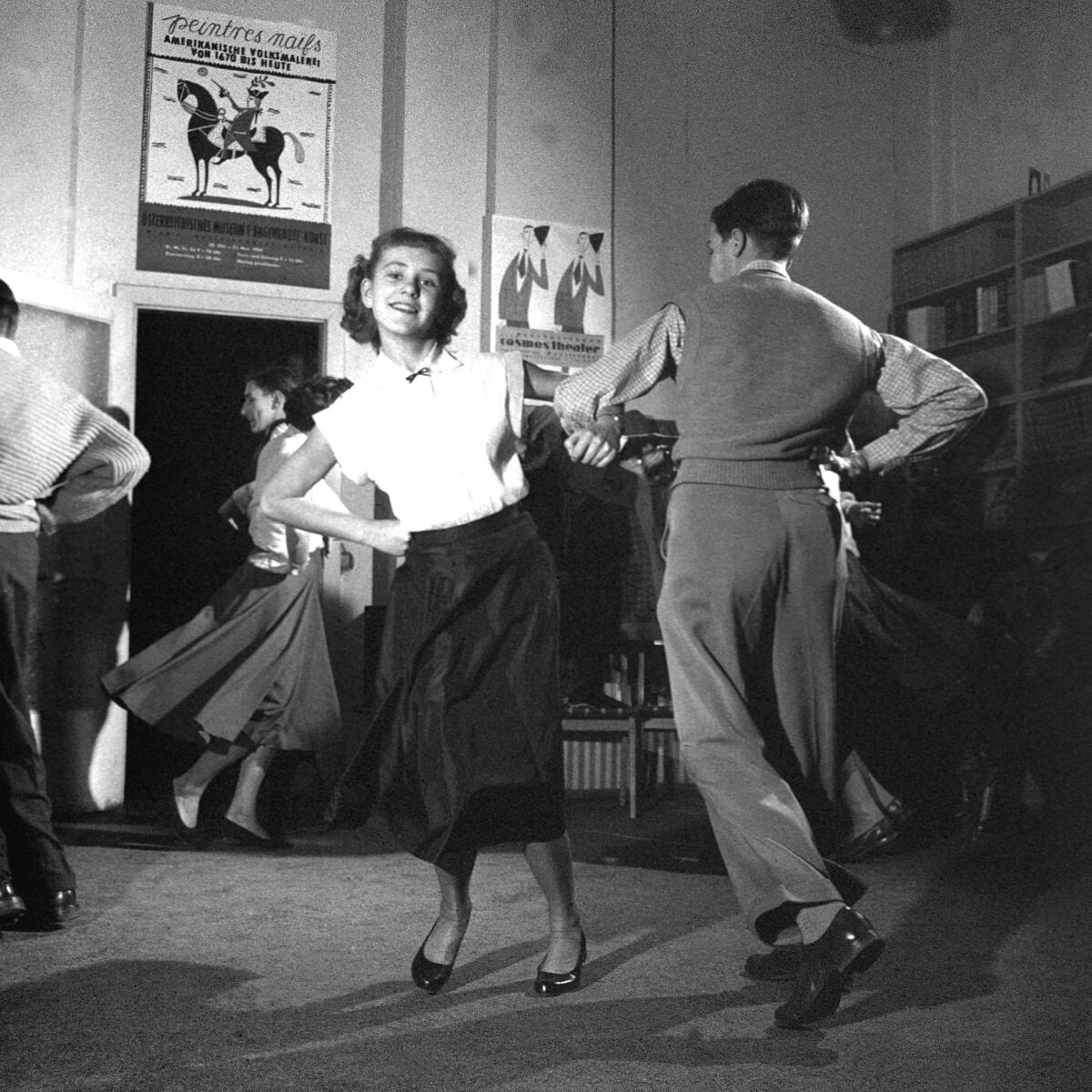
The Austrian Cultural Forum New York, in cooperation with the Vienna Institute for Contemporary and Cultural History and the Arts (VICCA), presents a one-day conference exploring the influence of the United States on Austrian cultural life after 1945. In the aftermath of World War II, the United States exerted the strongest cultural influence among the four Allied powers that liberated Austria. As part of denazification efforts, culture and media became important tools for replacing Nazi elites and introducing Austrians to new international influences. From 1946 onward, these efforts increasingly intersected with the geopolitical reorientation of Austria toward the Western, US-dominated anticommunist camp.
About the Conference
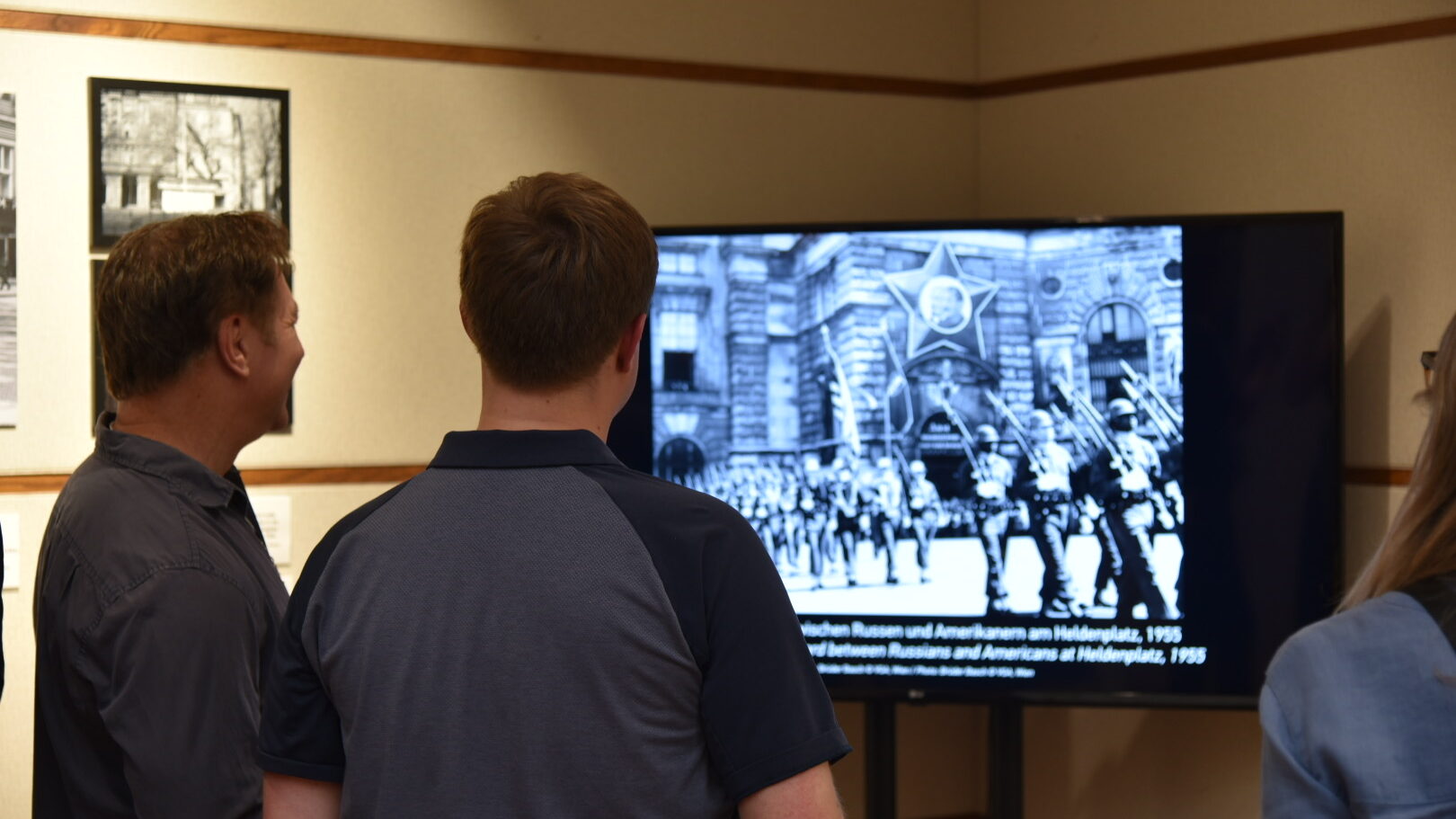
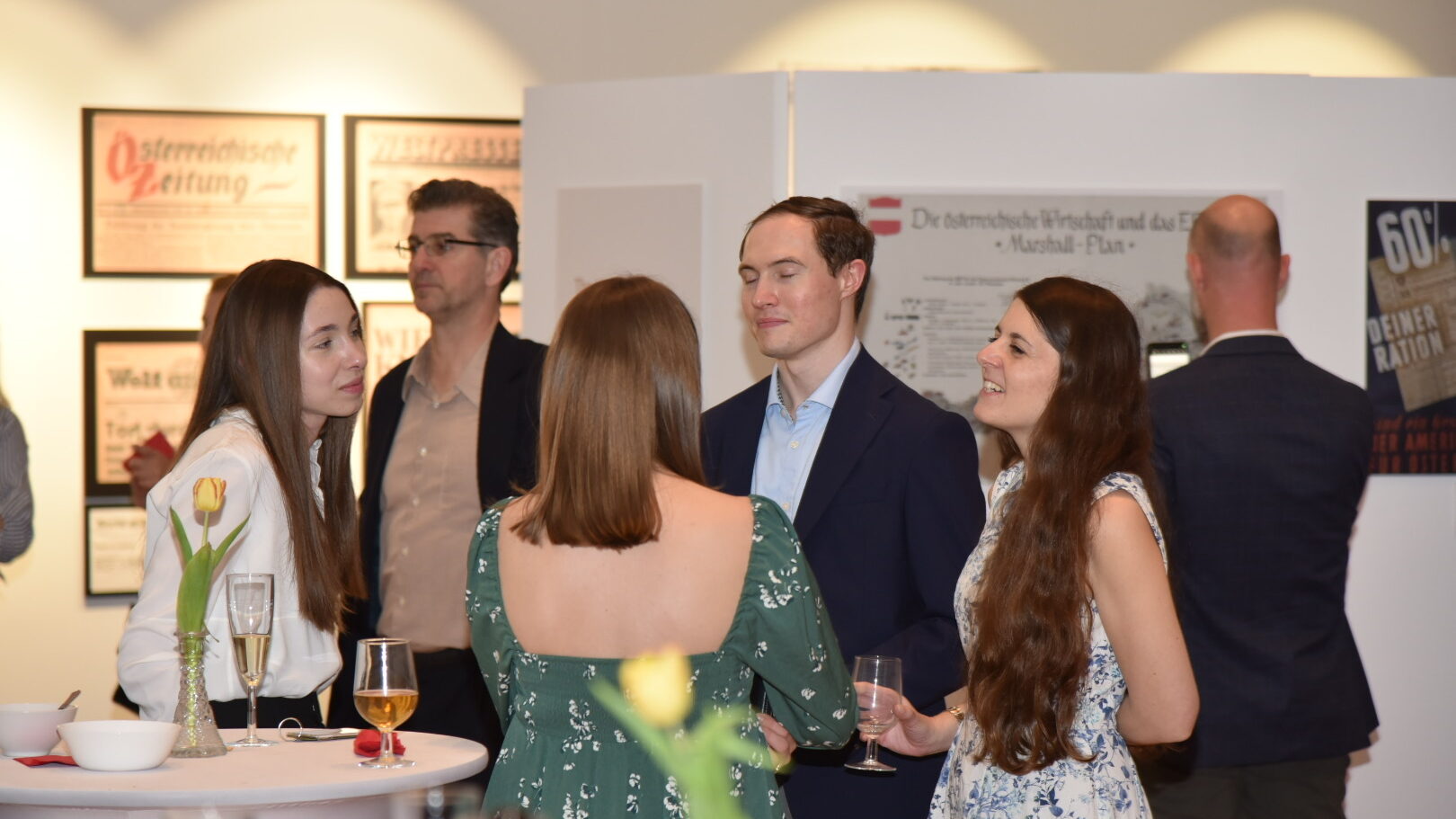
The conference examines the international impact on Austrian cultural and media consumption as well as the internationalization of Austrian artists, writers, and journalists. It also considers how the emphasis on pre-1938 Austrian cultural traditions and the development of Austrian identity shaped the country’s cultural landscape in the decades after the war. The program includes two panels, discussions, the opening of the photo exhibition US Culture in Austria After 1945. A New Beginning, as well as a film screening and concert dedicated to Leonard Bernstein and Austrian composers in exile.
Conference Program
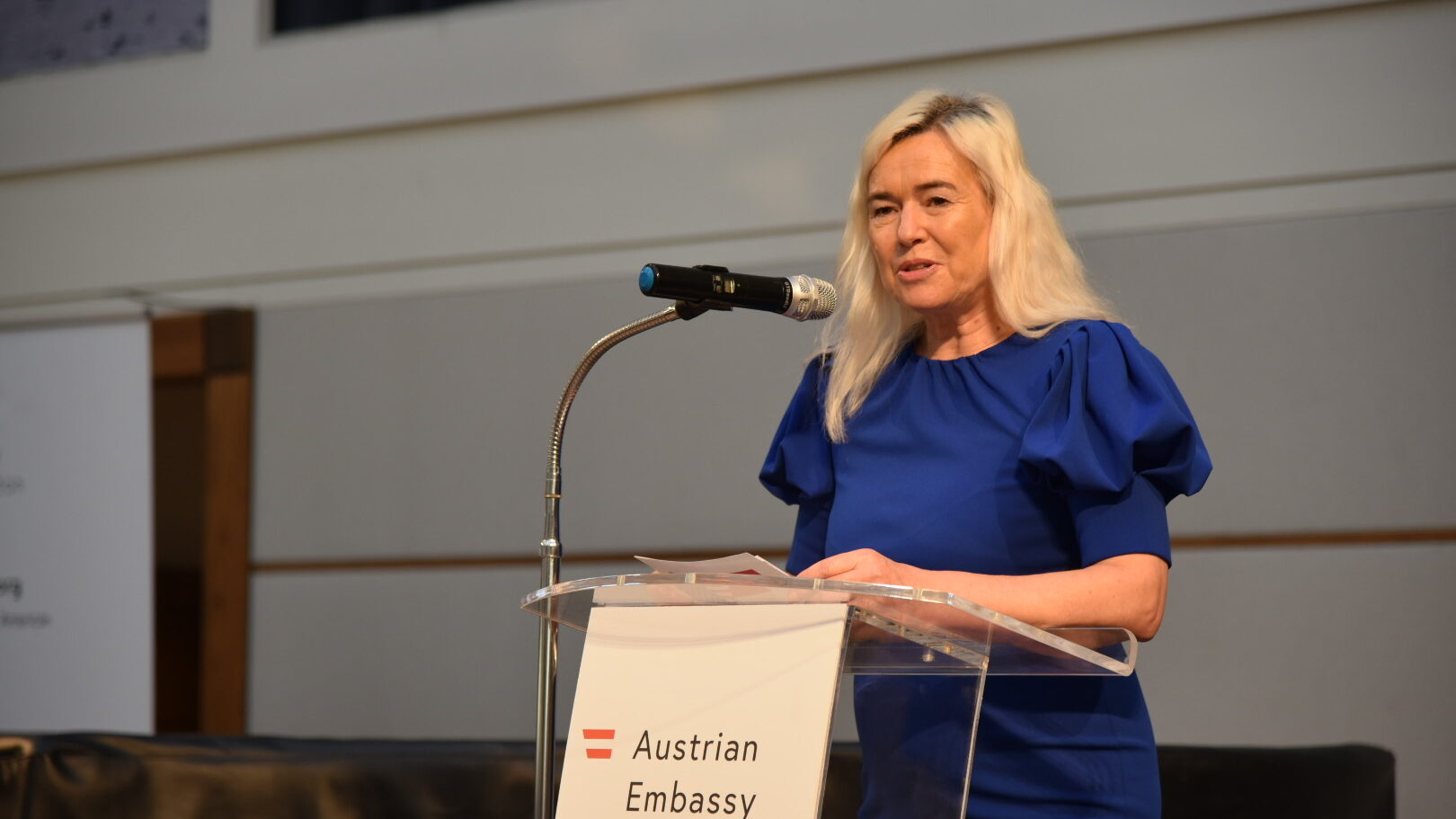
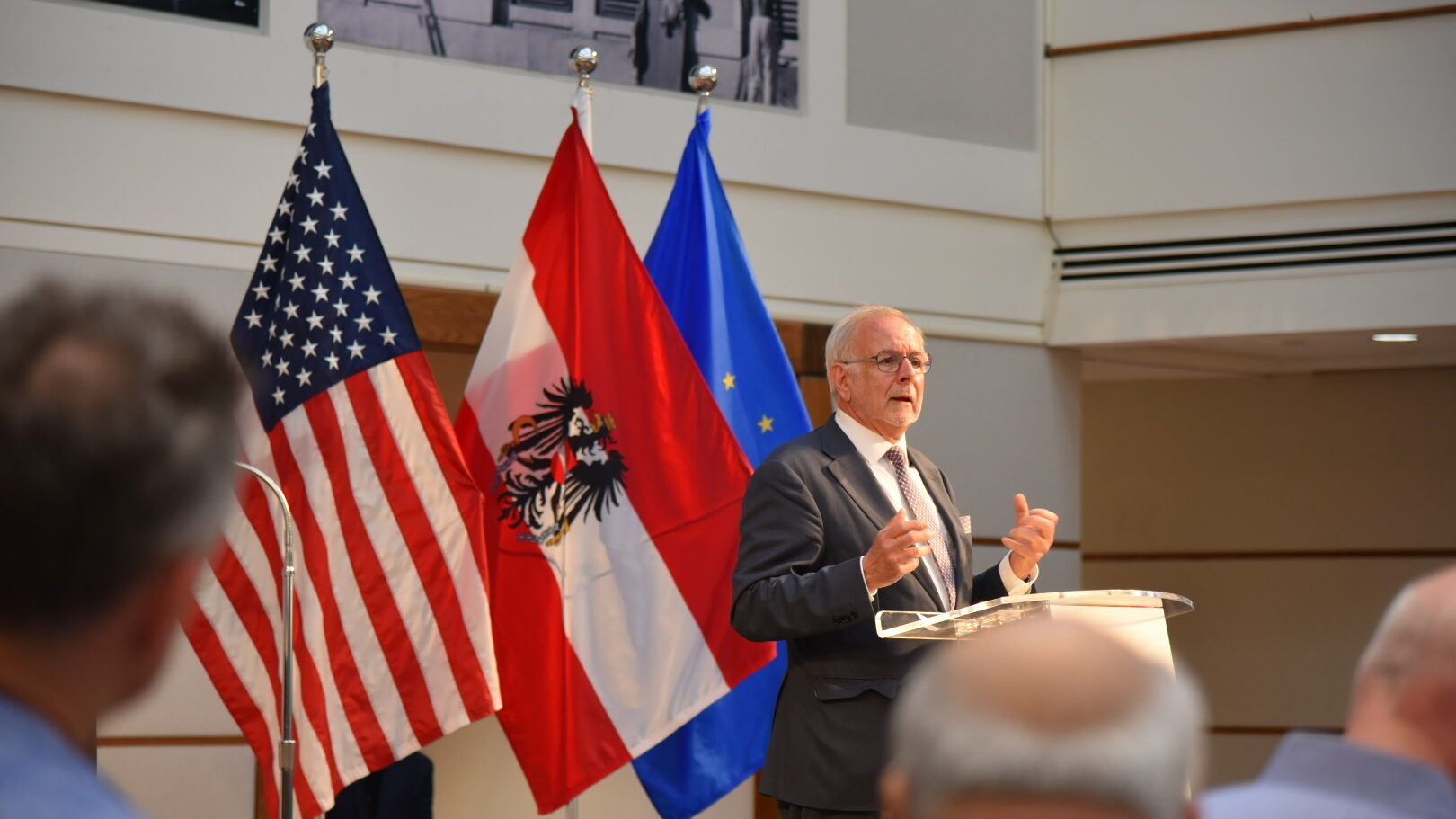
9.30 AM | Welcome remarks | Dr. Susanne Keppler-Schlesinger | Director Austrian Cultural Forum New York
10 AM | Panel 1
- Oliver Rathkolb | VICCA and University of Vienna: Aims and Results of US Cultural Policies, 1945–1955
- Jacqueline Vansant | University of Michigan-Dearborn: Plotting Austrian Identities in Postwar Austrian and Hollywood Films, 1945–1955
- Markus Schinwald | Staatliche Akademie der Bildenden Künste, Karlsruhe: Viennese Aesthetics Vienna 1945: Out of Time
11.30 AM | Discussion
12.30 PM – 2 PM | Lunch
2 PM | Panel 2
- Jeremy Eichler | Tufts University: Memory in a Time of Forgetting: Mahler and Leonard Bernstein in Vienna
- Michael Bernstein | Bernstein Foundation: My Uncle Leonard Bernstein and Austria
3 PM | Discussion followed by a coffee break
Exhibition Opening | 5.30 PM
- Welcome Remarks by Dr. Susanne Keppler-Schlesinger
- Opening of the Photo Exhibition US Culture in Austria After 1945: A New Beginning | Introduction by Oliver Rathkolb
Film and Concert | 6.30 PM
- Welcome Remarks by Dr. Susanne Keppler-Schlesinger
- Introduction by Simon Posch | Director, House of Music, Vienna
- Film: Bernstein on Wagner
- Concert: Music Diplomacy | Songs and Arias by Leonard Bernstein and Austrian composers in exile, Erich Korngold and Eric Zeisl | Performers: Lydia Rathkolb, Soprano & Eri Kang, Piano
Participants and Speakers
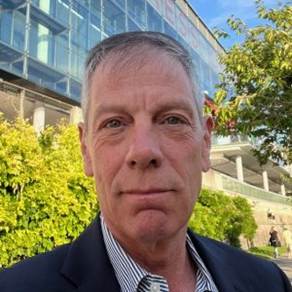
Michael Bernstein is currently an arts consultant who advocates his uncle Leonard Bernstein’s legacy and ongoing business affairs in Europe. After abandoning his American career as an arts administrator in 2001, he expatriated to Vienna, where he has worked as a IT consultant, journalist, copywriter and translator.
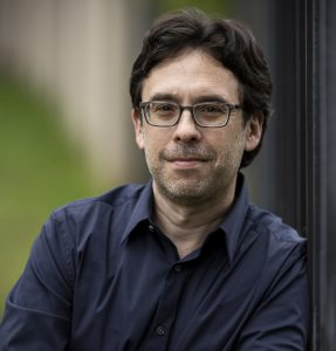
Jeremy Eichler is a scholar and critic whose work explores the relationship between music, history, and cultural memory. He is currently the John McCann Assistant Professor of Music at Tufts University and previously served for 18 years as chief classical music critic of The Boston Globe. Eichler is the author of Time’s Echo: Music, Memory and the Second World War. Published in 2023 and now translated into ten languages, it received the Ralph Waldo Emerson Award, three National Jewish Book Awards, and the Grand Prix du Livre France Musique. It was also named “History Book of the Year” by The Sunday Times of London and hailed as “the outstanding music book of this and several years” by the Times Literary Supplement. Eichler, whose writing has appeared in The New York Times and The New Yorker, earned his PhD from Columbia University. His work has been supported by fellowships from the National Endowment for the Humanities and Harvard’s Radcliffe Institute for Advanced Study.

Simon K. Posch (b. 1966) is an Austrian cultural manager and museum director with a distinguished international career. Since 2003, he has served as Director and CEO of the Haus der Musik in Vienna, where he has established the museum as a leading center for interactive music and sound experiences. He also served as Managing Director of Johann Strauss Anniversary Year 2025 GmbH. Beyond Austria, Posch has worked internationally, advising institutions such as the Musical Instrument Museum in Phoenix, the Indian Music Experience in Bangalore, and the Brahms House in Pörtschach. He initiated the international franchise project Casa de la Música, first licensed in Puebla, Mexico (2015–2025), and most recently expanded to Yanguan, China (2024). A member of ASTC, ICOM, and ECSITE, he is also active as a lecturer and consultant, combining expertise in cultural management with a passion for connecting music, education, and audiences around the world.
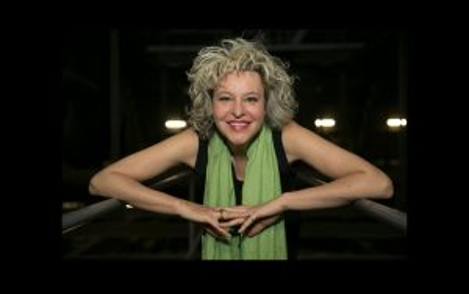
As a soprano, Lydia Rathkolb sung in opera houses and concert halls such as Vienna State Opera, Volksoper Vienna, Sofia, Opera Nizza, Berlin, Lincoln Center NY, Royal Albert Hall London, Philadelphia, Kennedy Center Washington DC, Vancouver Symphony, Hong Kong, Israel, Lisbon, Basel, with opera festivals Savonlinna, Schwetzingen, Bregenz as well as in Vienna Musikverein, Concert Hall Vienna and Carinthian Summer festival. As coloratura soprano she sang Queen of the Night and Pamina in Magic Flute, Constanze in Mozart`s Entführung, Fiordiligi in Cosi fan tutte, Barbiere di Siviglia, Don Pasquale, Lucia di Lammermoor, La Traviata and many title roles in Operetta such as Rosalinde and Adele in The Bat, Merry Widow, Countess Mariza. She debuted at Vienna State Opera in Mozart`s Magic Flute and as a longtime soloist member in the ensemble she sang a repertory from Mozart, Richard Strauss and Richard Wagner as well as Italian, French, Russian and contemporary roles with such renowned conductors such as Semyon Bychkov, Franz Welser-Möst, Marco Armiliato, M-W.Chung, J. López-Cobos, Ingo Metzmacher, Michael Boder, Bertrand de Billy, Alain Altinoglu, Peter Schneider. At Vienna State Opera she also performed in numerous Premiere series, live streams and took part at the State Opera`s tours to Japan. Her love for the Lied brings her to New York, Washington DC, Tokyo, Vienna with solo recitals and she sings in numerous chamber concerts with Ensembles of Vienna Philharmonic as well as in oratorios and spiritual music. Born in Vienna she graduated from University of Music and performing Arts Vienna, studied in Milano and Conservatory Vienna where she also has been teaching classical singing. At University of Vienna she graduated in musicology holding a PhD doing research on H.v.Karajan. She gives masterclasses in singing and also teaches at University of Vienna and at Princeton University.
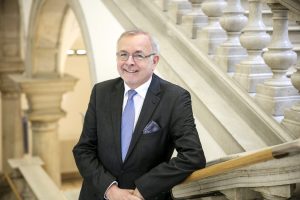
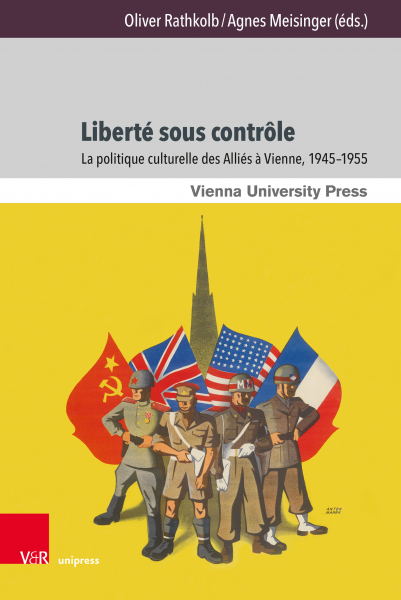
Oliver Rathkolb, born in 1955, is a former long-standing head and professor at the Institute for Contemporary History at the University of Vienna and former visiting professor at the University of Chicago and Schumpeter research professor at the Harvard University. He is the author of numerous publications on Austrian and international contemporary and cultural history, editor of the journal zeitgeschichte, as well as chairman of the Vienna Institute for Cultural and Contemporary History and Arts (VICCA) and the academic advisory boards of the House of European History in Brussels an the House of Austrian History (hdgoe). He is also a member of the board of trustees of the Austrian National Library. His most recent publications include an expanded edition of Die paradoxe Republik. Österreich 1945 bis 2025 (The Paradoxical Republic: Austria 1945 to 2025) published by Zsolnay Verlag, and the official non-fiction book of the year 2026 Ökonomie der Angst. Die Rückkehr des nervösen Zeitalters (The Economics of Fear: The Return of the Nervous Age) published by Molden Verlag.
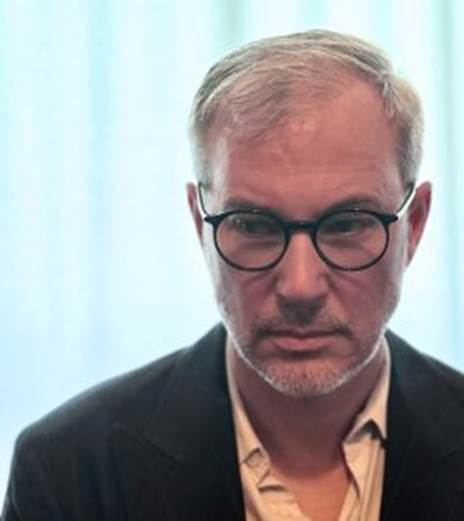
Markus Schinwald (b. 1973) studied art and cultural studies in Linz and Berlin. As an artist, he has had solo exhibitions at venues including the Migros Museum in Zurich; the Moderna Museet in Stockholm; the SFMoMA in San Francisco; the Triennale in Milan; Museum M, Leuven; the Museo d’Arte Moderna di Bologna; the Kunsthaus Bregenz; the Museum of Contemporary Art, Bordeaux; the Műcsarnok Kunsthalle, Budapest; and the Palais de Tokyo, Paris. He has also participated in group exhibitions at the Tate Modern, London, and the biennials in Lyon, Berlin, Liverpool, and Venice. In 2011, he was also Austria’s representative at the Venice Biennale. At the invitation of the Museo d’Arte Moderna di Bologna, he organized an exhibition in 2006 that took place as a comprehensive museological experiment at the Museo di Palazzo Poggi and the University Library of Bologna. Together with Thomas Trummer, he curated the exhibition “Les Gueules Cassées – Scars of World War I” at the Kunsthalle Mainz, and in 2026 he was responsible for the redesign of the collection exhibition “Vienna 1900” at the Museum of Applied Arts. Since 2021, he has been a professor at the State Academy of Fine Arts in Karlsruhe.
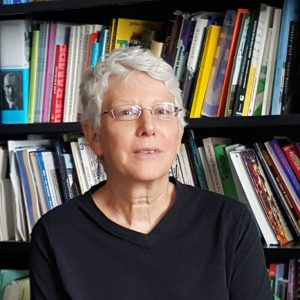
Jacqueline Vansant, Professor emerita of German at the University of Michigan-Dearborn, has published widely in exile and memory studies and on contemporary Austrian literature, culture, and film as well as the image of Austria in Hollywood films. Among her publications are Against the Horizon: Feminism and Postwar Austrian Women Writers (1989), Reclaiming ‘Heimat’: Trauma and Mourning in Memoirs of Jewish-Austrian Reémigrés (2001), and Austria Made in Hollywood (2019, paperback 2023). She has held multiple Fulbright grants in Austria (1982-84, 2003, and 2016). She was a Fellow at the Vienna Wiesenthal Institute for Holocaust Studies (2017-2018) and the United States Memorial Holocaust Museum (2022) for her work on the group correspondence of classmates of Jewish heritage who fled Vienna after the Anschluss in 1938.
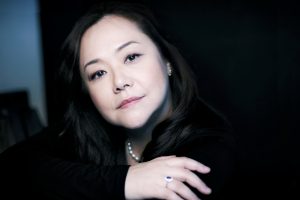
Japanese-born Korean American pianist Eri Kang has captivated audiences around the world with her tonal beauty and compelling musicality. A versatile soloist, collaborative pianist, and chamber musician, Ms. Kang has performed at New York City’s premier venues, including Carnegie Hall’s Stern Auditorium, Zankel Hall and Weill Recital Halls, as well as David Geffen Hall and Alice Tully Hall at Lincoln Center. Her performances extend globally, with appearances across Europe, Asia, the United States, and South America. Ms. Kang has recently collaborated with violinist Gil Shaham, performing at Carnegie Hall’s Stern Auditorium, David Geffen Hall, and other distinguished venues. Her artistry has received acclaim in major publications such as The Los Angeles Times, Strad Magazine, and Strings Magazine, and she has been featured on NPR, WQXR, WNCN and at numerous music festivals. Ms. Kang holds a Bachelor’s degree from the Toho School of Music and a Master’s degree from The Juilliard School, where she studied piano under Martin Canin and Satoko Tokumaru and chamber music with Felix Galimir. Her expertise in piano and string repertoire was honed through years working with Juilliard’s renowned faculties, including Dorothy DeLay. An official pianist for prestigious violin and string competitions, Ms. Kang has served at the Sion Valais International Competition in Switzerland, the Buenos Aires International Violin Competition, and Elmar Oliveira International Violin Competition. She is currently a faculty member at Brooklyn College, City University of New York.
Credits & Attributions
VICCA was established to serve as a network interchange for the broad dissemination of modern Viennese cultural history. VICCA’s foundational work draws on international influences and developments documented in their own research as well as the incorporation of findings of current academic research by external scholars. Their goal is to engage the public at large, especially young people, through versatile engagements, in order to pique interest in cultural-historical questions.
Featured image: Österreichische Nationalbibliothek
Image Michael Bernstein: Courtesy of the Speaker
Image Jeremy Eichler: Tom Kates
Image Simon K. Posch: Rafaela Pröll
Image Lydia Rathkolb: Lois Lammerhuber, Wiener Staatsoper (Vienna State Opera)
Image Oliver Rathkolb: Harald Eisenberger
Image Markus Schinwald: Courtesy of the Speaker
Image Jacqueline Vansant: Courtesy of the Speaker
Image Eri Kang: Courtesy of the Artist
The Austrian Cultural Forum in cooperation with